Walnut Kernels (Akhrot Giri): Nutrition, Benefits, Daily Uses and Buying Guide
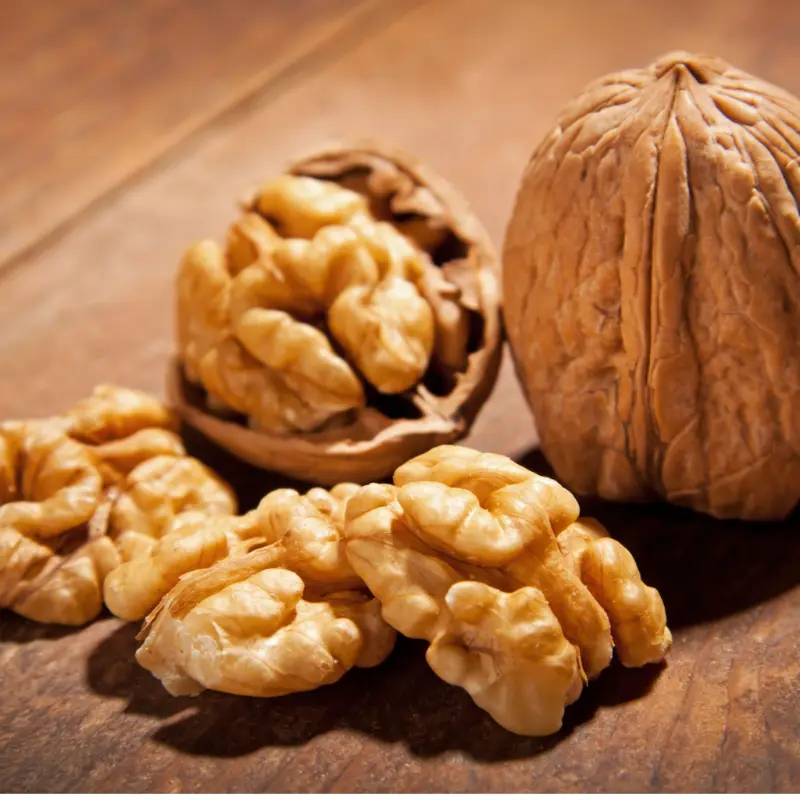
Walnut kernels—commonly called Akhrot Giri in Pakistan—are the edible inner portion of walnuts after the hard shell has been removed. Their pleasantly rich flavour, delicate crunch and naturally creamy texture make them popular for everyday snacking, breakfast, desserts, baking and traditional recipes.
But walnuts offer more than taste and convenience. They provide healthy unsaturated fats, plant protein, fibre, magnesium, copper, manganese and alpha-linolenic acid (ALA), a plant-based omega-3 fatty acid. When eaten in a sensible portion as part of an overall balanced diet, walnut kernels can be a valuable addition to a healthy routine.
This complete guide explains the nutritional value and potential benefits of Akhrot Giri, how much to eat, the best ways to use it, how to identify good-quality kernels, and how to keep walnuts fresh in Pakistan’s climate.
What Are Walnut Kernels (Akhrot Giri)?
A whole walnut has a hard outer shell protecting a two-lobed edible kernel. Once the shell is removed, this inner portion is sold as walnut kernels or Akhrot Giri.
Kernels may be available as:
Whole or butterfly halves: Large, visually attractive pieces suitable for serving, gifting and decoration.
Quarter kernels: Smaller pieces that are easy to use in breakfast bowls, desserts and recipes.
Broken walnut pieces: Economical and convenient for baking, grinding, cooking and making walnut butter.
The size or appearance of a kernel does not automatically determine its nutritional value. For daily use, freshness, flavour, proper handling and storage matter more than perfectly shaped pieces.
Walnut Kernels Nutrition
A standard serving of walnuts is approximately 28 grams, or a small handful. Depending on kernel size, this is roughly 14 walnut halves. According to data based on USDA FoodData Central, a 28-gram serving provides approximately:
| Nutrient | Approximate amount per 28 g |
|---|---|
| Energy | 183–185 calories |
| Protein | 4.3 g |
| Total fat | 18 g |
| Carbohydrates | 3.8–3.9 g |
| Dietary fibre | 1.9 g |
| Natural sugars | Less than 1 g |
| Magnesium | About 45 mg |
| Copper | About 0.45 mg |
Most of the fat in walnuts is unsaturated. Walnuts are also notable among nuts because they contain ALA, an essential plant-based omega-3 fatty acid. “Essential” means the body cannot produce it and must obtain it from food.
Nutrition values can vary slightly according to walnut variety, growing conditions and laboratory method. Walnuts are energy-dense, so portion size is important even though most of their fat is the healthier unsaturated type.
Potential Health Benefits of Walnut Kernels
1. Provide Healthy Unsaturated Fats
Walnut kernels contain mainly polyunsaturated and monounsaturated fats. Replacing foods high in saturated or trans fats with sources of unsaturated fat can support a more heart-friendly eating pattern.
This benefit depends on substitution. Adding unlimited walnuts on top of an already high-calorie diet is not the same as using a measured portion to replace fried snacks, bakery items or heavily processed foods.
2. Supply Plant-Based Omega-3 ALA
Walnuts are one of the better-known nut sources of alpha-linolenic acid. The body uses ALA in normal physiological functions and can convert a limited amount into the longer-chain omega-3 fats EPA and DHA.
Walnut ALA is beneficial, but it should not be described as identical to the EPA and DHA obtained from oily fish. A varied diet remains the best approach.
3. Can Be Part of a Heart-Healthy Diet
Research on nuts and walnuts suggests that regular consumption within a balanced diet may support healthier blood-lipid patterns. Some controlled studies have found modest reductions in LDL cholesterol when walnuts replaced other foods in the diet.
Walnuts are not a medicine and cannot prevent or treat heart disease on their own. Their value comes from being part of a broader routine that includes vegetables, fruits, whole grains, legumes, appropriate protein, physical activity and medical care when required.
4. Offer Plant Protein and Fibre
A small handful provides both plant protein and dietary fibre. This combination, together with fat, can make walnuts more satisfying than many refined snacks.
Try pairing them with fruit or plain yoghurt for a balanced snack. Fibre also supports normal digestive function, although walnuts should not be treated as a cure for constipation or other digestive conditions.
5. May Help With Appetite and Weight Management
Walnuts contain substantial calories, but their protein, fibre, texture and fat can promote fullness. A pre-portioned serving may help replace less nutritious snacks such as biscuits, chips or sweets.
For weight management, the key is replacement and portion control. A serving of about 28 grams is more sensible than repeatedly eating directly from a large packet. Weight loss still depends on total diet, energy intake, activity, sleep and individual health factors.
6. Contain Minerals Needed for Everyday Body Functions
Walnuts provide magnesium, copper, manganese and phosphorus. These nutrients contribute to normal processes such as energy metabolism, connective-tissue formation, antioxidant defence and the maintenance of bones and cells.
No single food provides everything the body needs, so walnuts should complement—not replace—a varied diet.
7. Provide Naturally Occurring Antioxidant Compounds
Walnuts contain polyphenols and other naturally occurring plant compounds. Antioxidants help the body manage oxidative processes, but this does not mean walnuts “detox” the body or cure disease. The most reliable approach is to consume a variety of plant foods rather than depend on one so-called superfood.
8. May Support Gut-Microbiome Diversity
Walnut fibre and polyphenols reach the digestive system, where they can interact with gut microbes. Emerging research suggests walnut intake may influence the gut microbiome, but scientists are still studying what these changes mean for long-term health.
9. A Convenient Choice for Busy Routines
Because Akhrot Giri is already shelled, there is no cracking or waste at the time of eating. A measured portion is easy to carry to the office, university, gym or while travelling. It can help make a quick meal more nutritious without preparation or cooking.
10. Useful Across Different Eating Patterns
Plain walnut kernels are plant-based and naturally free from added sugar and sodium. They can fit into vegetarian and vegan diets and, in their pure form, do not naturally contain gluten. Anyone with coeliac disease or severe sensitivity should still check the label for possible cross-contact during processing or packing.
Are Walnuts Good for the Brain?
The shape of a walnut has created a popular belief that walnuts are automatically a “brain food.” Walnuts do contain ALA, polyphenols, vitamin E compounds and other nutrients relevant to normal body and brain function. However, human research on walnuts and memory or cognition is mixed.
It is reasonable to include walnuts in a balanced diet that supports overall health, but it is not accurate to promise that eating them will improve memory, prevent dementia or treat a neurological condition.
Are Walnut Kernels Suitable for People With Diabetes?
Plain walnuts contain little natural sugar and provide fat, protein and fibre. A measured serving may be a better snack option than foods high in added sugar or refined flour. However, walnuts do not lower blood sugar by themselves and are not a treatment for diabetes.
People with diabetes should consider total meal composition, portion size, medicines and their personal nutrition plan. Sweetened, chocolate-coated, honey-roasted or heavily flavoured walnuts may contain added sugar or sodium, so always read the product label. Anyone managing diabetes should follow advice from their doctor or registered dietitian.
Are Walnuts Good During Pregnancy?
Walnut kernels can contribute healthy fats, protein and minerals to a varied pregnancy diet. They can be added to porridge, yoghurt or snacks if the mother is not allergic to tree nuts.
Pregnancy does not make walnuts a treatment for any condition, and individual dietary needs vary. Anyone with allergies, digestive issues, a high-risk pregnancy or specific medical advice should consult their healthcare professional.
Can Children Eat Walnut Kernels?
Walnuts can be included in a child’s diet when developmentally appropriate and when there is no known tree-nut allergy. Whole nuts and large hard pieces can be a choking risk for young children. For younger children, use finely ground walnut powder or a smooth, safely prepared nut paste in a suitable food, following the advice of a paediatrician or qualified feeding professional.
Never introduce nuts casually to a child with a suspected allergy or previous reaction.
How Many Walnuts Should You Eat Daily?
For many healthy adults, a practical portion is approximately:
28 grams per day
One small handful
Around 14 walnut halves, depending on size
This is a general serving suggestion, not a medical prescription. Someone with higher energy needs may use a different portion, while a person following a calorie-controlled diet may need less. Dietitians may also recommend an amount based on age, health, medicines and the rest of the diet.
What Is the Best Time to Eat Walnut Kernels?
There is no scientifically required “best time.” The best time is when walnuts fit naturally into your routine and help improve the quality of a meal or snack.
Useful options include:
At breakfast with oats, porridge or cereal
As a mid-morning or afternoon snack
Before activity as part of a light snack, if well tolerated
After exercise alongside a complete meal or protein source
In an evening snack instead of highly processed foods
Eating walnuts at night is not automatically harmful, but a large portion close to bedtime may feel heavy for some people.
Soaked Walnuts vs. Raw Walnuts
Many people in Pakistan soak walnuts overnight because they prefer the softer texture and milder flavour. Soaking is optional; raw, fresh walnut kernels are already nutritious and safe to eat when properly handled.
Soaking does not magically multiply nutrients or turn walnuts into medicine. If you prefer soaked walnuts:
Use clean drinking water and a clean covered container.
Soak only the amount you intend to eat.
Drain the water and consume them promptly.
Refrigerate soaked kernels and do not leave them at room temperature for extended periods, particularly in warm weather.
Raw or Roasted: Which Is Better?
Both raw and lightly roasted walnuts can fit into a healthy diet. Raw kernels have a softer flavour, while gentle roasting produces a deeper aroma and crunch.
Avoid burning or excessively roasting them, as high heat can negatively affect flavour and delicate fats. If buying roasted walnuts, choose unsalted or lightly salted products whenever possible and check for added oil, sugar or flavour coatings.
Easy Ways to Use Akhrot Giri Every Day
Walnut kernels are highly versatile. Here are practical ideas:
Breakfast
Chop and sprinkle over oats, porridge or muesli.
Add to plain yoghurt with seasonal fruit.
Blend a small portion into a smoothie.
Mix into homemade granola.
Add crushed kernels to whole-grain toast with banana.
Snacks
Pair a small handful with an apple, orange or pear.
Make a portion-controlled mix with almonds, pistachios and seeds.
Combine with unsweetened dried fruit in a small quantity.
Carry a measured serving to work, school or while travelling.
Lunch and Dinner
Add chopped walnuts to green salads.
Use them as a topping for roasted vegetables.
Mix into rice dishes or stuffing.
Grind with herbs to prepare a walnut-based sauce or chutney.
Use as a crunchy coating where appropriate.
Baking and Desserts
Add to cakes, banana bread, muffins and cookies.
Sprinkle over kheer, custard, halwa or ice cream.
Mix into date-and-nut energy bites.
Use as a garnish for traditional desserts.
Remember that adding walnuts to sugary desserts does not make the entire dessert low-calorie or sugar-free.
Simple Walnut and Date Energy Bites
Ingredients
1 cup pitted dates
1 cup walnut kernels
1–2 tablespoons unsweetened cocoa powder, optional
A small pinch of cinnamon, optional
Desiccated coconut or sesame seeds for coating, optional
Method
Place the dates and walnuts in a food processor.
Process until the mixture begins to hold together.
Add cocoa or cinnamon if desired.
Shape into small bite-sized balls.
Coat lightly with coconut or sesame seeds.
Refrigerate in a clean airtight container.
Dates are naturally high in sugar, so enjoy these energy bites in small portions.
How to Identify Fresh, Good-Quality Walnut Kernels
When buying Akhrot Giri, check the following:
Aroma: Fresh walnuts should smell mild, clean and nutty—not like paint, chemicals or old cooking oil.
Taste: They should taste rich and pleasant. A strongly bitter, sharp or soapy flavour can indicate deterioration.
Texture: Good kernels should feel dry and reasonably crisp, not damp, sticky or rubbery.
Appearance: Natural colour varies from light golden to brown depending on variety. Colour alone does not prove quality.
Cleanliness: Look for kernels free from shell fragments, insects, webbing, excessive dust and visible mould.
Packaging: Choose well-sealed, food-grade packaging that protects the product from moisture, air and contamination.
Seller reliability: Buy from a seller that handles, packs and stores dry fruits hygienically and provides clear product information.
Why Do Walnuts Sometimes Taste Bitter?
The thin brown skin around the kernel contains natural compounds that can produce mild bitterness. A slight natural bitter note is normal in some varieties. However, intense bitterness accompanied by a stale, oily, paint-like or unpleasant smell may indicate rancidity.
Walnuts contain delicate unsaturated fats that can deteriorate after prolonged exposure to heat, light and oxygen. Do not consume kernels showing mould, insect activity, unusual moisture or a clearly rancid smell.
How to Store Walnut Kernels Correctly
Because the protective shell has been removed, Akhrot Giri needs careful storage.
For short-term use
Keep kernels in a clean, airtight container.
Store in a cool, dry and dark cupboard away from sunlight and the stove.
Seal the pack immediately after each use.
Use a dry spoon or clean, dry hands.
For longer freshness
Refrigerate walnut kernels in an airtight container.
Freezing can extend storage further when the kernels are properly sealed.
Keep walnuts away from foods with strong odours because their fat content can absorb smells.
Label the container with the purchase or opening date.
In Pakistan’s hot or humid weather, refrigeration is generally the safer option for shelled walnuts, especially if you purchase a larger quantity.
Who Should Be Careful With Walnuts?
Walnuts are suitable for many people, but certain individuals need additional care:
Tree-nut allergy: Avoid walnuts completely if you have a diagnosed allergy. Reactions can be severe and may require emergency treatment.
Young children: Whole or large walnut pieces may be a choking hazard.
Calorie-controlled diets: Measure portions because walnuts are energy-dense.
Digestive sensitivity: A large amount may cause discomfort in some people; begin with a small portion if needed.
Special medical diets: People with kidney disease, swallowing difficulties or other conditions should follow personalised professional advice.
If you experience swelling, hives, breathing difficulty, dizziness or another severe reaction after eating walnuts, seek emergency medical care immediately.
Frequently Asked Questions
Are walnut kernels and Akhrot Giri the same thing?
Yes. Akhrot Giri is the commonly used name in Pakistan for the edible kernel removed from a walnut shell.
Can I eat walnuts every day?
Many healthy adults can include a small measured portion in their daily diet if they are not allergic and it fits their overall calorie needs.
How many walnut halves are in one serving?
A 28-gram serving is approximately 14 halves, although the exact number varies with kernel size.
Do walnuts increase weight?
Walnuts are calorie-dense, so very large portions can increase total calorie intake. A measured serving used in place of less nutritious snacks may fit well into a weight-management plan.
Do walnuts reduce cholesterol?
Some studies show that walnut intake as part of a balanced diet can modestly improve LDL cholesterol and other lipid measures. Results vary, and walnuts do not replace cholesterol medicine or medical advice.
Are walnuts good for diabetes?
Plain walnuts are low in sugar and provide fat, protein and fibre, making them a practical snack choice for many people. They do not cure diabetes or independently control blood glucose.
Is it necessary to remove the thin brown skin?
No. The skin is edible and contains naturally occurring plant compounds. Remove it only if you dislike its slight bitterness.
Must walnuts be soaked overnight?
No. Soaking is a preference, not a nutritional requirement. Fresh raw walnuts can be eaten directly.
Can walnut kernels go bad?
Yes. Their unsaturated fats can become rancid with heat, light, air and time. Airtight cold storage helps maintain freshness.
What is the difference between light and dark walnut kernels?
Colour varies according to variety, maturity, growing conditions and storage. Lighter kernels are often preferred visually, but freshness, taste, aroma and safe handling are more important than colour alone.
Why Choose Quetta Dry Fruits & Nuts?
At Quetta Dry Fruits & Nuts, we understand that quality dry fruits begin with careful selection and responsible handling. With a heritage dating back to 2000, our goal is to provide fresh, flavourful and hygienically packed products for customers across Pakistan.
Our walnut kernels are a convenient choice for breakfast, family snacking, recipes, baking and gifting. Each pack is prepared to help protect the natural taste and freshness of Akhrot Giri.
Final Thoughts
Walnut Kernels (Akhrot Giri) are a nutrient-rich and versatile food that can make everyday meals and snacks more satisfying. They provide unsaturated fats, plant-based omega-3 ALA, protein, fibre and useful minerals. The most effective way to enjoy them is simple: choose fresh kernels, eat a sensible portion, store them properly and use them as part of a varied, balanced diet.
Ready to add premium Akhrot Giri to your routine? Order Walnut Kernels from Quetta Dry Fruits & Nuts and enjoy convenient nationwide delivery across Pakistan.
Suggested Blog Tags
Walnut Kernels, Akhrot Giri, Walnut Benefits, Dry Fruits in Pakistan, Healthy Snacks, Omega-3 Foods, Premium Walnuts, Quetta Dry Fruits, Nuts and Seeds, Buy Walnuts Online Pakistan
Suggested Internal Links
Link Order Walnut Kernels to the Walnut Kernels product page.
Link premium dry fruits to the Dry Fruits & Nuts category page.
Link oats to the Oats with Nuts & Berries product or blog page.
Link dates to the Dates category page.
Link almonds and pistachios to their respective product or category pages.
Evidence Note for Publisher
Nutrition figures and general health wording were checked against USDA FoodData Central-derived data, the U.S. National Institutes of Health Office of Dietary Supplements, the American Heart Association and peer-reviewed research. This article provides general food and nutrition information and is not medical advice.

Comments (0)